17 Nov, 2025
| Mark
Barot


1. Introduction
2. Understanding Net Zero and Why It Matters
3. The Role of Solar Power in Reducing Emissions
4. Can Solar Alone Get Australia to Net Zero?
5. Conclusion
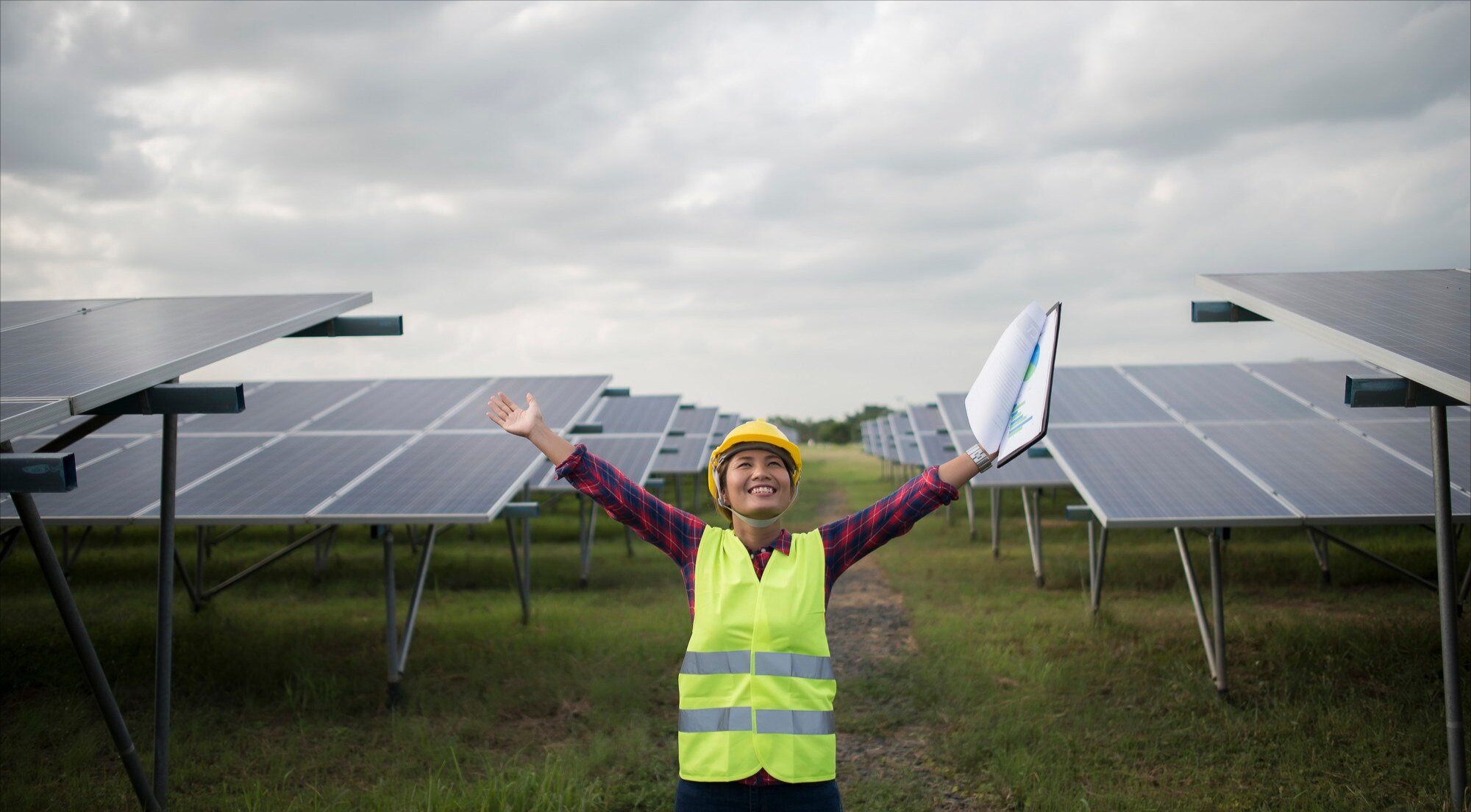
Australia is standing on the edge of an energy revolution. As the impacts of climate change become more visible now the nation is making bold commitments to reduce emissions. The Australia net zero 2050 plan serves as a national roadmap toward achieving this balanced environmental responsibility with economic growth.
With vast open land, strong sunlight and a population increasingly supportive of renewable energy, the potential for solar energy in Australia is unparalleled. From bustling suburbs equipped with rooftop solar in Australia to large-scale solar farms across regional landscapes, the sun is already transforming the way Australians live and power their world.
But the critical question is can solar truly carry the country all the way to net zero emissions Australia by 2050?
Achieving net zero means balancing the amount of greenhouse gases produced with the amount removed from the atmosphere. It’s not just a political target, it’s about reshaping the entire energy and economic landscape.
What Net Zero Means:
It involves drastically cutting emissions through renewable technologies like wind and solar.
Remaining emissions are offset through reforestation or carbon capture systems.
The end goal is for Australia’s total emissions to equal zero on balance.
Why It Matters:
Helps mitigate climate change and protect ecosystems.
Strengthens energy security by reducing reliance on imported fossil fuels.
TCreates long-term economic opportunities through green innovation.
Encourages sustainable lifestyles and lower household energy costs.
Solar energy plays a central role in helping Australia meet its carbon reduction targets Here’s how:
Rooftop Adoption : Millions of homes now generate power using rooftop solar in Australia which cuts grid demand and household emissions.
Large-Scale Sola : Solar farms across Queensland, Victoria and South Australia are driving major advances in clean power generation.
Economic Growth : Solar projects support thousands of local jobs which stimulate investment in regional communities.
Energy Storage : With battery storage expanding rapidly, excess solar energy can now be stored for use at night or during cloudy periods.
Environmental Benefits : Each new solar installation directly contributes to the renewable energy goals Australia has committed to achieving.
While solar is one of the strongest tools in the nation’s sustainability toolkit, it alone cannot achieve the net zero emissions Australia target. Solar power has limitations primarily its dependency on sunlight and the challenge of generating consistent energy output around the clock. For this reason, Australia’s transition to net zero requires a combination of complementary energy sources working together.
To truly know how Australia will achieve net zero by 2050, the country must pair solar energy with wind, hydro and green hydrogen technologies. Energy storage solutions such as large-scale batteries and pumped hydro will also be important to maintaining reliability when solar production dips. Additionally, investments in smart grids and transmission infrastructure will help to make sure that renewable power flows efficiently across the country.
Government policies, private innovation and consumer adoption must continue to align. While solar can deliver a significant share of the nation’s electricity, other renewables and carbon management technologies are needed to close the final gap. In essence, solar will light the path but a diverse clean energy mix will get Australia to the destination.
Benefits of Solar Energy in Australia
The benefits of solar energy in Australia have gone far beyond emissions reduction. Households and businesses that switch to solar enjoy lower electricity bills, energy independence and insulation from rising fossil fuel costs.
At a national level, solar energy strengthens economic resilience by reducing imports, creating local jobs and fostering innovation in technology and engineering. It also plays an important role in helping renewable energy in Australia grow as a major industry one that supports communities, attracts global investment and protects the environment.
By continuing to invest in solar power Australia, the nation can ensure affordable, sustainable energy for generations to come.
The Australia net zero 2050 plan is a bold vision that relies on renewable innovation, public participation and political will. Solar energy has proven to be affordable, reliable and increasingly efficient. However, reaching net zero will require teamwork between solar and other renewables to be supported by advanced storage and strong policy frameworks.
Australia’s clean energy transition is already well underway. The road to net zero is long but the path is clear, Australia’s future has never looked brighter.