23 March, 2026
| Mark
Barot


1. Introduction
2. What Has Changed for Solar in 2026?
3. Cost of Solar and Potential Savings
4. Government Rebates and Incentives
5. Is It Still a Smart Investment?
6. Conclusion
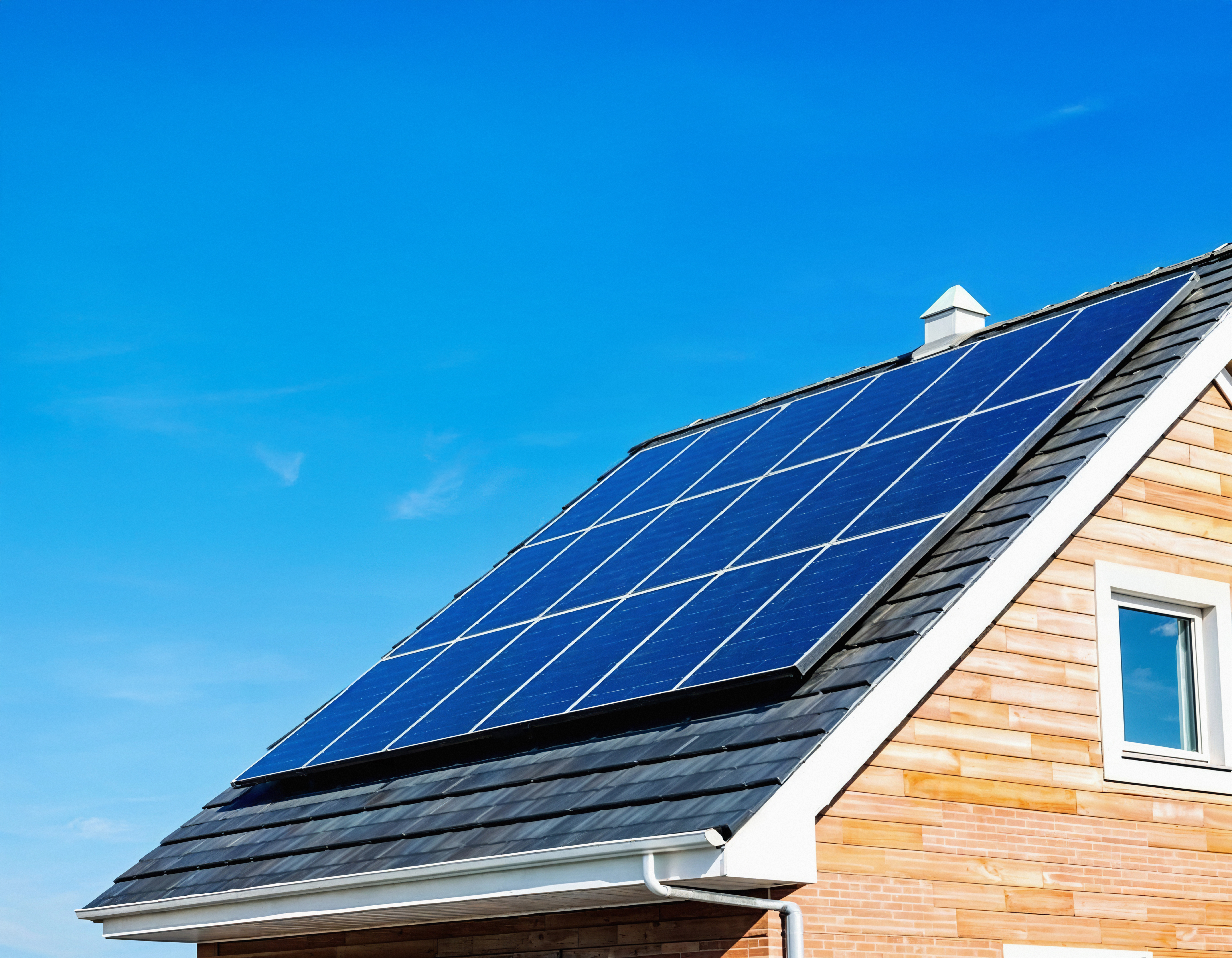
Many homeowners or business owners today are asking one common question that is solar worth it in 2026 in Australia? As electricity prices rise every year and more people become aware of renewable energy, solar has become a popular choice. But still some people feel they are not yet ready to switch to solar.
However as things are changing rebates are reducing, technology is improving and battery storage is becoming more common, people are in the middle of making decisions. So before making a decision, it’s important to understand the current situation. In this guide, we’ll explain everything in a simple way so you can decide if solar is the right choice for your home or business in 2026.
Solar in Australia has improved a lot over the last few years. It is now more accessible, more efficient and more widely used than ever before.
Here are some key changes you should know:
Electricity prices have increased which makes solar savings higher
Solar panels today are more efficient and last longer
And now people are adding battery systems for extra savings
Government rebates are slowly decreasing year by year
Solar Installation has become faster and more affordable
Quality options like Tier 1 solar panels install are easily available
More solar providers are offering better service and support
The cost of installing solar in 2026 depends on your system size, location and the quality of components you choose. A common system for Australian homes is a 6.6kW system and the 6.6kW solar system price 2026 is considered a good balance between cost and performance.
Even though there is an upfront cost, the long-term savings are what make solar attractive. By generating your own electricity you can majorly reduce your monthly power bills. In many cases, homeowners recover their investment within a few years. Some setups even qualify as 5-year solar payback systems especially in areas with high electricity rates.
To get a clearer idea, you can use a solar payback calculator for australia, which can help you to estimate your savings based on your usage and location.
The Australian government still provides solar rebates to help reduce the initial cost of installation. These incentives have played a big role in making solar affordable for homeowners. However, it’s important to know that these rebates are gradually decreasing over time.
That’s why many experts recommend installing solar before rebate drop, so you can take full advantage of the current benefits. Waiting too long can result in lower savings on your initial investment.
Many solar providers also offer helpful services like a Free site assessment solar where they check your roof, energy usage and system requirements before giving a recommendation.
Now coming back to the main question, is solar worth it in 2026 in Australia? For most households, the answer is still yes. Solar panels continue to be a smart investment for both financial savings and long-term benefits.
Here are some key reasons why solar still makes sense:
You can reduce your electricity bills significantly
Solar systems increase the value of your property
You become less dependent on rising energy prices
Modern systems are reliable and require low maintenance
Battery storage allows you to use power even at night
The Solar battery ROI in 2026 is improving as battery costs come down
You contribute to a cleaner and more sustainable environment
Solar energy continues to be a valuable investment in 2026 especially in a country like Australia where sunlight is abundant. And while the rebates may reduce over time, improvements in technology and rising electricity costs still make solar a practical and cost-effective solution.
If you are planning to switch to solar, it’s better to act sooner rather than later to maximize your benefits. With the right system and proper guidance, solar can help you save money and gain energy independence for years to come.